
Business loans
Development + construction finance
Development and construction projects require more than just funding. They require timing, judgement, and structure.
At Luminate, we arrange development and construction finance for builders, developers, and property investors who need clarity and execution, not generic lending.
From land acquisition through to completion and exit, we help structure capital around the full project lifecycle.

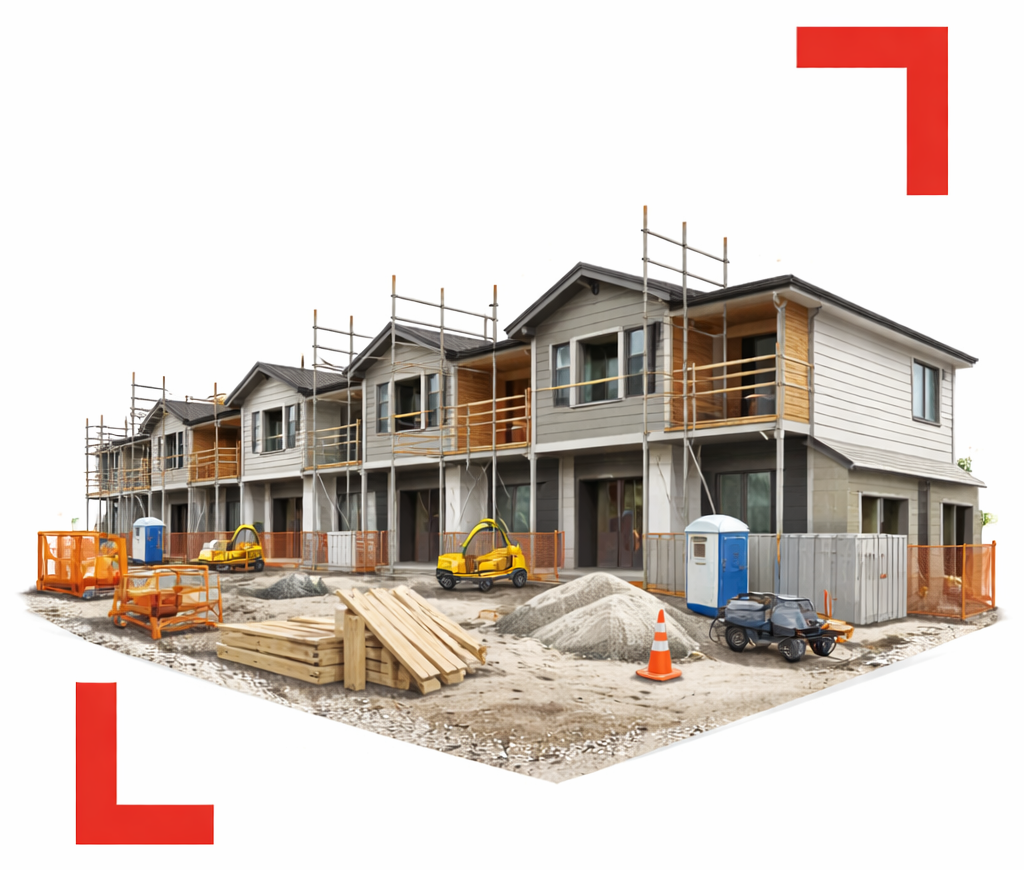
What is development finance?
-
Purchase development sites
-
Fund construction costs
-
Complete multi-unit builds
-
Bridge projects to sale or refinance
Unlike standard home lending, development finance is assessed on both the project feasibility and the borrower’s capability.
-
Project feasibility and margins
-
Build contracts and timelines
-
Presales (where applicable)
-
Developer track record
-
Exit strategy
Structure matters from day one.
Construction finance and staged drawdowns
Most construction finance is released in stages.
Funds are typically advanced:
-
At land purchase
-
At key build milestones
-
Following quantity surveyor sign-offs
This protects both lender and borrower, and ensures capital is aligned with project progress.
We help coordinate:
- Valuations
- QS reporting
- Loan documentation
- Progress payment approvals
Execution speed is critical during build phases.


Who we typically work with
We assist:
- Small to mid-scale property developers
- Builders completing townhouse projects
- Investors subdividing land
- Business owners funding commercial developments
- Clients bridging from construction to long-term refinance
Our clients are usually experienced and commercially minded. They value clarity and decisive guidance.
Why banks can be restrictive
Traditional banks often:
- Require high presale thresholds
- Apply conservative feasibility margins
- Slow decision-making during approval
- Tighten lending mid-project
When timelines matter, rigidity can create risk.
We work across bank and non-bank lenders to structure funding appropriately for the project stage and risk profile.



How Luminate approaches development finance
We take a holistic, structured view.
-
Total project cost
-
Contingency allowances
-
Funding stack structure
-
Cashflow timing
-
Exit options
Our role is not just to secure approval.
It is to ensure the debt structure supports the project from acquisition through to completion.
We think about refinance or sale before the first dollar is drawn.
Exit strategy matters
Every development facility needs a clear exit.
Common exits include:
- Sale of completed units
- Refinance to long-term investment lending
- Portfolio restructure
Without a defined exit, development finance becomes riskier and more expensive.
We structure with the end in mind.
Frequently asked questions
How much deposit is required for development finance in NZ?
Typically 20% to 40% equity, depending on project type, presales, and borrower experience.
Is development finance more expensive than residential lending?
Yes. It reflects higher project risk and shorter loan terms.
Do I need presales?
Often yes for bank funding. Non-bank lenders may offer more flexibility depending on the project.
Can you help refinance mid-project?
In many cases, yes, particularly if structure or lender appetite has changed.

Why Luminate?
We bring a calm, commercial lens to development finance.
- Clear trade-offs explained upfront
- Joined-up view of business and personal exposure
- Access to both bank and specialist lenders
- Structured thinking from start to finish
We do not chase deals.
We structure them properly.
Important information about Business Lending
This lending is available only for business or investment purposes and is not consumer credit. It is therefore not covered by our consumer credit provider licence, and the protections under the Credit Contracts and Consumer Finance Act 2003 do not apply. Luminate Finance provides this lending under a licensing exemption recorded on the Financial Service Providers Register.
Let’s structure your development finance
Start with a conversation about your project, timelines, and exit strategy.